

NetDocuments works in any modern browser, but your default browser matters — and after years of recommending Google Chrome, we’ve changed our recommendation: set Microsoft Edge as your default browser for NetDocuments.
This isn’t because Edge is technically superior. Honestly, Chrome and Edge are both Chromium-based and perform similarly for NetDocuments. The reason is simpler and a little frustrating: Microsoft keeps changing settings to force Edge on you anyway, so fighting it creates more problems than it solves.
Here’s what we mean.
Microsoft’s Pattern of Forcing Edge
Over the years, Microsoft has repeatedly reset default browser settings during Windows updates, pushing users back to Edge without warning. More recently, they took it a step further: updates to both Outlook and Teams were quietly configured to open hyperlinks in Edge regardless of your system’s default browser setting. You could have Chrome set as your default, click a link in Outlook, and Edge would open instead.
This isn’t a bug — it’s intentional. And while it’s frustrating, the workaround (constantly changing settings back after every update) costs time and generates support tickets. After dealing with this on client after client, our recommendation is: go with Edge. It’s not a defeat — it’s just pragmatic.
How to Set Edge as Your Default Browser in Windows
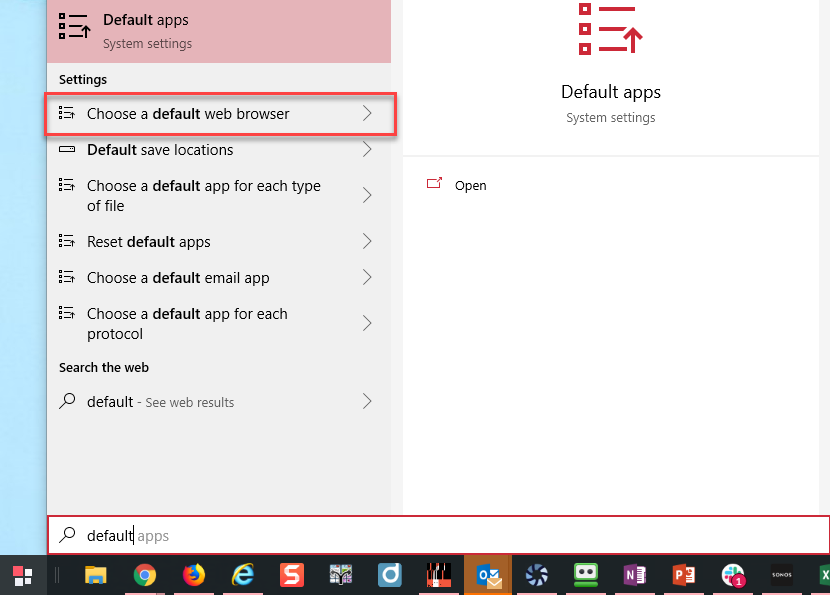
Step 1: Click the Start button, then type “default browser”. Click Choose a default web browser.
Step 2: Click where it says Web browser.
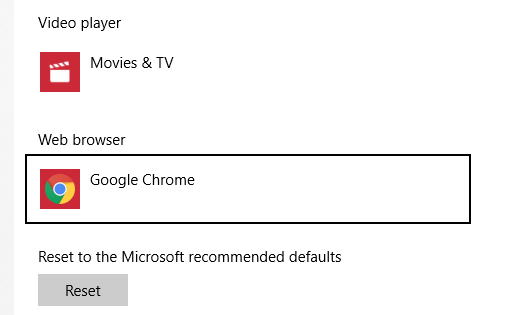
Step 3: Select Microsoft Edge.

The bottom line: NetDocuments runs well in Edge, and aligning your default browser with what Microsoft is pushing behind the scenes means fewer unexpected interruptions for your firm. If you have questions about your NetDocuments setup, schedule a consultation or visit our contact page.