

Missing important client emails in your document management system can create compliance issues and make it challenging to reconstruct case histories. NetDocuments ndMail offers a built-in prompt feature that reminds you to file outgoing emails before they’re sent, ensuring nothing slips through the cracks. This guide shows you how to enable this time-saving feature in just two steps.
Understanding ndMail Email Filing
NetDocuments ndMail integrates directly with Microsoft Outlook, allowing you to save emails to your NetDocuments workspace as you send them. Unlike other document management systems that prompt you after you send, NetDocuments uses a proactive approach: you select the filing location before the email leaves your inbox.
The ndMail Filing Panel
When composing an email in Outlook, you’ll see the ndMail panel on the right side of your screen. This panel displays your available workspaces and filters where you can save the email.
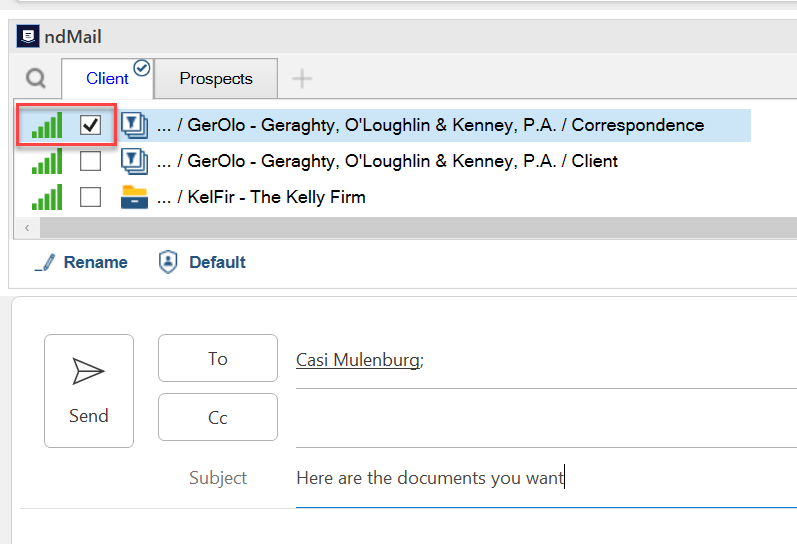
To file an email, check the box next to the Workspace or Filter where you want it saved. The email will automatically be filed in NetDocuments when you click Send.
How to Enable the Filing Prompt
If you frequently forget to select a filing location, NetDocuments can remind you. Here’s how to turn on the prompt feature:
Step 1: Open ndMail Settings
In the ndMail panel, click the gear icon in the upper right corner to access your settings.
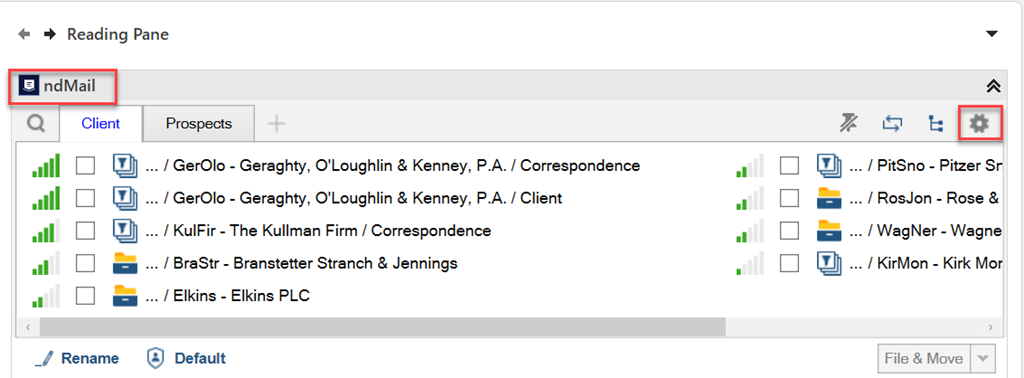
Step 2: Enable the Prompt Option
In the settings menu, locate and check the box next to “Prompt to file outgoing messages.” Click OK to save your preference.

How the Prompt Works
Once enabled, here’s what happens when you try to send an email without selecting a filing location:
The ndMail panel will flash red to indicate that no workspace has been selected. You can then either:
- Select a workspace or filter to file the email
- Click Send again to send without filing (if the email doesn’t need to be saved)
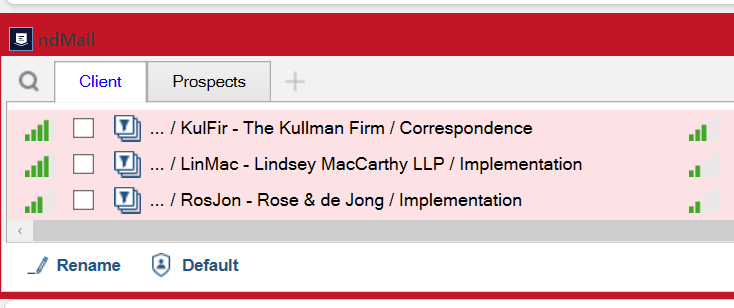
This visual reminder helps ensure that essential client communications are appropriately documented in your matter files.
Key Difference: NetDocuments vs. Worldox Email Filing
If you’re transitioning from Worldox, this workflow may feel different at first. Here’s the key distinction:
Worldox approach: Send the email first, then respond to a prompt asking if you want to save it
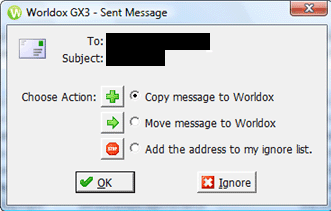
NetDocuments approach: Profile and select the filing location before sending the email
While this requires a slight workflow adjustment, many attorneys find the NetDocuments method more efficient because it eliminates the extra step of responding to a post-send prompt.
Conclusion
Enabling the email filing prompt in NetDocuments ndMail takes just seconds but can save you hours of searching for unfiled correspondence later. This simple reminder system helps maintain organized case files and ensures compliance with your firm’s document retention policies. Whether you’re new to NetDocuments or simply want an extra safeguard against missed filings, this feature is worth enabling.
Need help optimizing your NetDocuments implementation? Contact Optiable for expert guidance on ndMail configuration, email management workflows, and NetDocuments best practices.