

The NetDocuments mobile app does a lot on its own — you can browse workspaces, view documents, and share links. But the experience gets significantly more powerful once you connect it to Microsoft Office on your mobile device. With that connection in place, you can open a Word document directly from NetDocuments, edit it in the full Word app, and save it right back — all from your iPhone or Android, exactly as you would on your desktop.
This post covers two things: connecting Word (and other Office apps) to NetDocuments, and saving documents back to NetDocuments from within Word.
Prerequisite: Make sure you’ve downloaded the NetDocuments app and logged in before starting. See our NetDocuments mobile setup guide if you haven’t done that yet.
Part 1: Connect Microsoft Word to NetDocuments
This is a one-time setup step. Once Word knows about NetDocuments, it will appear as a location option every time you open or save a file.
Step 1: Open the Word app on your iPhone or iPad.
Step 2: Tap Open, then tap Add a Service

Step 3: Select NetDocuments from the list of available services.
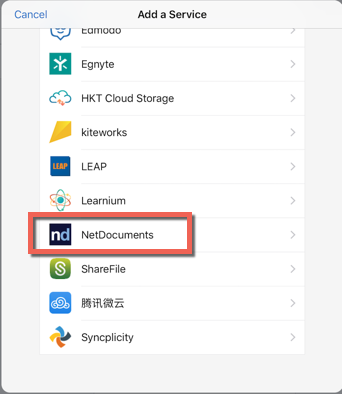
Step 4: Tap OK to confirm.
Step 5: Sign in to your NetDocuments account when prompted. If your firm uses Single Sign-On, click Continue with SSO
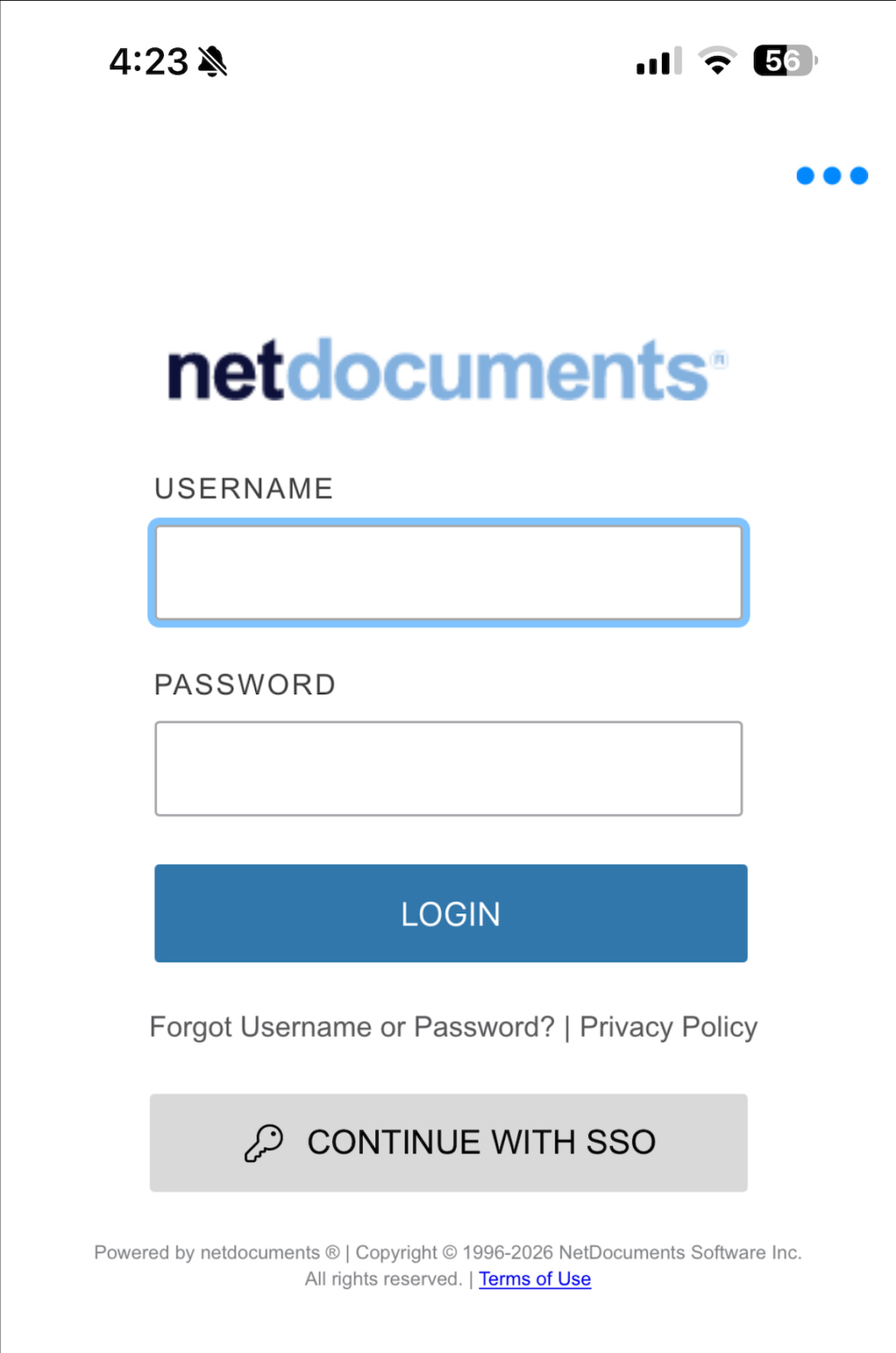
Once this is complete, NetDocuments will appear as a location in Word’s Open and Save menus going forward. Repeat these steps for Excel and PowerPoint if you use those on your device as well.
Part 2: Save a Word Document to NetDocuments
Once Word is connected, saving a document to NetDocuments is straightforward.
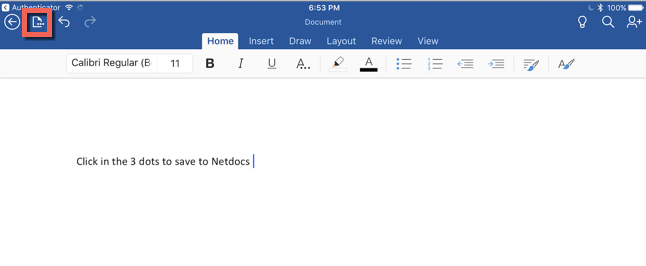
Step 1: With your document open in Word, tap the file icon with three dots in the upper area of the screen (this opens the document options menu).
Step 2: Tap Name (or Save a Copy, depending on your Word version).
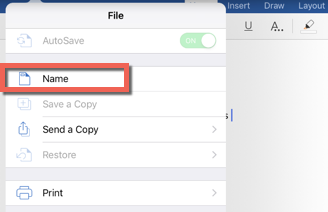
Step 3: Select NetDocuments as the save location, navigate to the appropriate workspace or matter, and save.
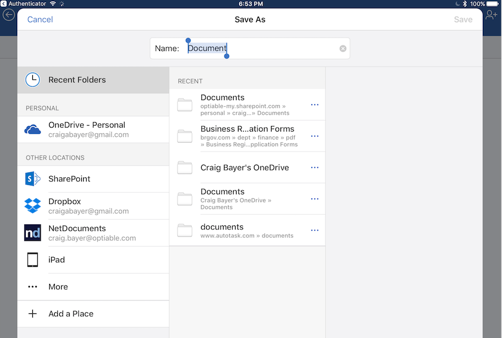
The document is now stored in NetDocuments and will be accessible from any device — desktop, browser, or mobile.
Part 3: Save Other Documents to NetDocuments
For documents that originated outside of Word — PDFs, attachments, or files from other apps — you can push them into NetDocuments using the share/import function.
Step 1: Open the document in its native app (Files, Mail, PDF viewer, etc.).
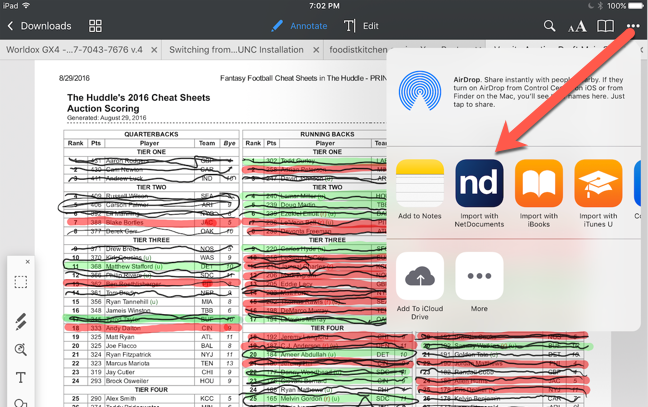
Step 2: Tap the Share icon or the … menu, then look for Import with NetDocuments or NetDocuments in the share sheet.
Step 3: Select the destination workspace or matter and confirm.
This works for any file type the NetDocuments app supports, making it a useful catch-all for documents that arrive on your phone from email attachments or other sources.
The Bottom Line
Once Word is connected to NetDocuments, your iPad or iPhone functions as a genuine mobile workstation — not just a document viewer. You can open, edit, and save files in your firm’s DMS without emailing things to yourself or worrying about where the latest version lives. For attorneys who bill time on the go, that’s a meaningful upgrade.
Need help rolling out NetDocuments across your firm’s mobile devices? Contact Optiable — we’ve helped over 550 law firms configure NetDocuments to fit the way their attorneys actually work.